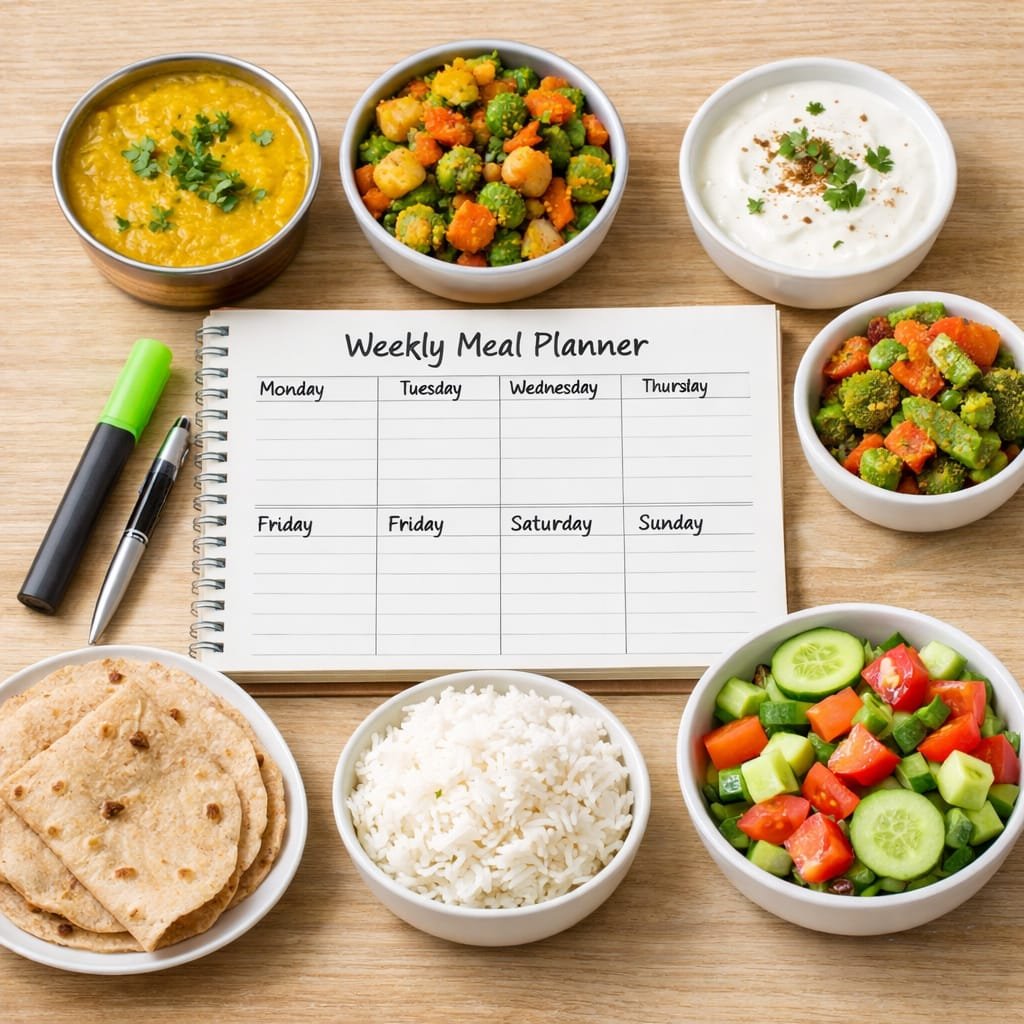
Weekly meal planning can save you time, money, and a lot of daily stress—but only if it’s done right. If you’ve tried planning meals before and given up, these simple tips will help you create a system that actually works for real life.
1. Start With Simple Meals
Don’t overcomplicate your plan. Choose easy, familiar recipes that don’t require too many ingredients or long cooking times. Simple meals are easier to stick to.
2. Plan Around Your Schedule
Look at your week before planning meals. Busy workdays call for quick dishes, while weekends are perfect for slightly elaborate meals. Planning according to your routine prevents last-minute chaos.
3. Repeat Meals Smartly
You don’t need a new dish every day. Repeating meals or rotating favorites saves effort and reduces food waste. Small variations can keep things interesting.
4. Make a Detailed Grocery List
Once your meals are planned, write down everything you need. Shopping with a list avoids impulse buying and ensures you have all ingredients ready for the week.
5. Prep in Advance
Wash vegetables, chop ingredients ahead of time. Even 30–60 minutes of prep can make cooking during the week much easier.
6. Keep Healthy Snacks Ready
Planning meals also means planning snacks. Keep fruits, nuts, yogurt, or roasted chana handy to avoid unhealthy choices when hunger strikes.
7. Stay Flexible
Meal planning isn’t about being rigid. If plans change, swap meals or order in once in a while—balance is key. A flexible plan is more sustainable.